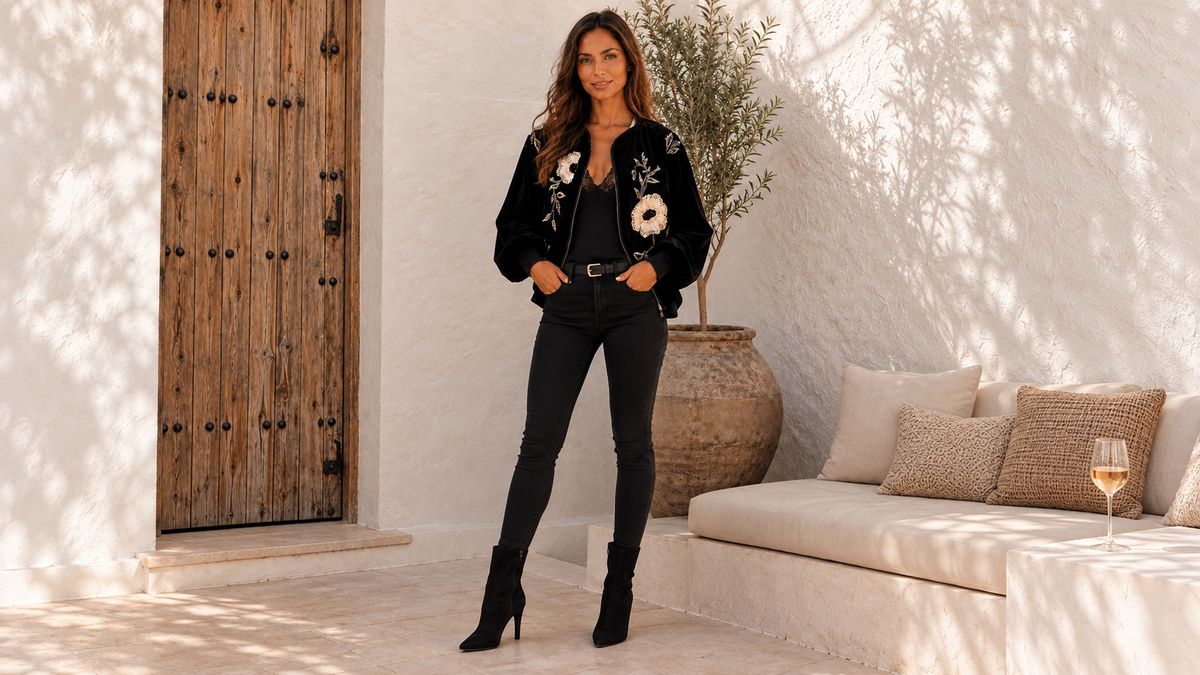


Autumn city break 2026: what to pack for three days
For a three-day autumn city break, prepare your clothes based on activities and complete combinations. Start with the footwear you will be walking in, add pieces that can be worn again, and reserve a specific option for the dressiest plan. The destination's forecast and the luggage you can carry dictate any generic list.
This example proposes an autumn 2026 getaway with arrival on the first day, a full day of sightseeing, and departure on the third. It includes one dinner, but does not assume a specific city, temperature, or dress code. You can adapt it by changing layers and the level of formality without rebuilding the entire suitcase.
Map out the itinerary before opening your wardrobe
Note your arrival time, whether you can drop off your luggage early, and how much you will be walking. Include the moments that are often forgotten: waiting for transport, traveling to the restaurant, and spending a few hours out after leaving the hotel. The clothing for the last day must also work in those conditions, not just for the trip photo.
Next, identify the plan that most dictates the outfit. It could be a dinner with a dress code, a visit with many stairs, or a long walking tour. Solve that scenario first and reuse its pieces when reasonable. Packing three versions of everything "just in case" does not guarantee you'll have what you actually need.
Check the forecast close to your departure and review the selection again. If conditions change, replace the outer layer or footwear you had already chosen; avoid adding pieces without removing others. Think about what function is missing: protection against rain, an additional layer, or an alternative for a specific change.
An initial selection that you can truly combine
As a starting point, try two bottoms, three tops, and one mid-layer. Add the appropriate outerwear for the destination, enough underwear, and the necessary footwear. A dress can replace a top-and-bottom combination; it doesn't automatically have to count as an extra outfit.
For compact luggage, choose a base color that already predominates in your wardrobe, another that coordinates with it, and one piece with a standout detail. Black, blue, and off-white are one possibility, but so are brown, beige, and white. Utility lies in repeating relationships you know, not in limiting yourself to a mandatory palette.
Try each top with both bottoms. Check the length, the drape, and the space needed under the layers. If a blouse only works with pants you weren't planning to bring, decide if it deserves that space in the suitcase. A combination that is compatible in theory can be uncomfortable when worn fully.
Day 1: travel, arrival, and first city tour
For the journey, wear the bottom that is most comfortable when sitting and a top that is easy to combine with your chosen layers. Wear the footwear you have tested for walking. If you cannot access your room right away, this outfit must also serve you for lunch and initial visits without needing a change.
One suggestion is dark straight-leg pants, a plain t-shirt, and a jacket suitable for the forecast. Upon arrival, you can keep the outfit and add the piece with the detail you had reserved for indoors or a brief plan. If it already has enough presence for dinner, you don't need to change it just because the afternoon is over.
If you prefer a blouse from the first day, the Azahar Blouse can be integrated into a combination with plain pants. Its description includes a guipure yoke and balloon sleeves: check the coverage and ensure the sleeves fit under your outer layer. Choose this option if those conditions are already resolved in your trial.

Day 2: walking and solving dinner with a small change
A full day of visits usually puts your selection to the test. Use the footwear you know best and choose a base that allows you to walk, climb steps, and sit down. Check that you can store or carry the layer you take off. Carrying a jacket in your hand for hours can change how practical the outfit seemed.
If you like touring the city in a dress, the Sereno Short Dress offers an alternative to the pants and blouse combination. Its description notes a shirt-dress design, voluminous sleeves, and frontal beading. Consider the length on your body and the dress's comfort with the trip's footwear and layers.
Do not assume its suitability for the climate just because it's called a dress or appears in a certain collection. Decide if you need tights, another layer, or a different option based on the forecast and your preferences. If the schedule includes activities for which pants are more comfortable, save the dress for another time.
For dinner, start by keeping your base from the day if it is still appropriate. You can change the top, the earrings, or the handbag. Choose just one change that alters the intent of the outfit. Packing a second coat and other shoes just for that hour can take up more space than you want to dedicate to that plan.
Day 3: last visits and trip home
Have a clean top ready for the return and repeat a bottom if its condition allows. The last day doesn't need the most thought-out ensemble: you might have to move luggage, spend several hours sitting, and walk before leaving. Prioritize comfortable closures and accessible pockets or bags for the essentials.
If you travel with only one pair of shoes, confirm that it responds to the planned activities and consider what you would do if it gets wet or stops being comfortable. If you bring two, the second must provide a function that you truly need. A pair chosen only because it takes up little space doesn't necessarily solve a travel need.
Also, prepare a separate space for used or damp clothes depending on how they return. Organizing your return often needs more room than you imagine when leaving. Do not fill every initial gap with clothes if you know you will need to separate items or carry purchases later; keep a small functional margin.
The suitcase test: every garment must have a moment
Spread your selection on the bed and assign each piece to an activity. A spare t-shirt has a clear function. A third jacket that adds neither protection nor a different combination is worth reviewing. The useful question is "when would I wear this?", followed by "can any piece I've already chosen solve this?"
Place the accessories for each combination together before packing them. A belt can change the fit, but it can also take up space and create another element to keep track of. Check that your bag and clothing coexist without annoying friction or snags. The size of the luggage shouldn't decide a combination for you that you haven't tested.
To transport applications and embroidery, consult how to carry an embroidered dress in a suitcase and follow the care instructions for each garment. Do not assume that every fabric allows for the same folding or improvised treatment upon arrival. Prepare the protection according to the actual pieces you have chosen.
If your main doubt is coordinating layers, the guide on boho style when it starts to get cold helps review the outer and inner ensemble. On a getaway, this check must be done with the exact garments that will travel with you, because you won't have your whole wardrobe available to correct it later.
Questions to help finalize your selection
How many outfits do I need for three days?
You need to cover your activities and have reasonable backups, not necessarily wear a brand-new complete outfit every morning and night. Count the occasions that require a real change and combine starting from them. Repeating garments can simplify packing if their condition allows them to be worn again.
Should I bring special clothing for all dinners?
Check the specific plans. In many cases, you will be able to use a base you had already prepared, but it is not advisable to assume an establishment's rules. If a dinner has specific indications, solve it before closing the suitcase and look to take advantage of one of its pieces at another time.
What do I remove if the suitcase won't close?
Review the garments that duplicate a function and the accessories that only combine with a secondary option first. Do not remove the protection necessary for the forecasted weather just to keep a decorative alternative. Replacing a piece can be more useful than compressing everything you have chosen.